Rodent infestations in Worcester properties typically arise when ambient outdoor temperatures drop below 45 degrees Fahrenheit, driving rodents into interior spaces. In neighborhoods with vintage housing stock such as…
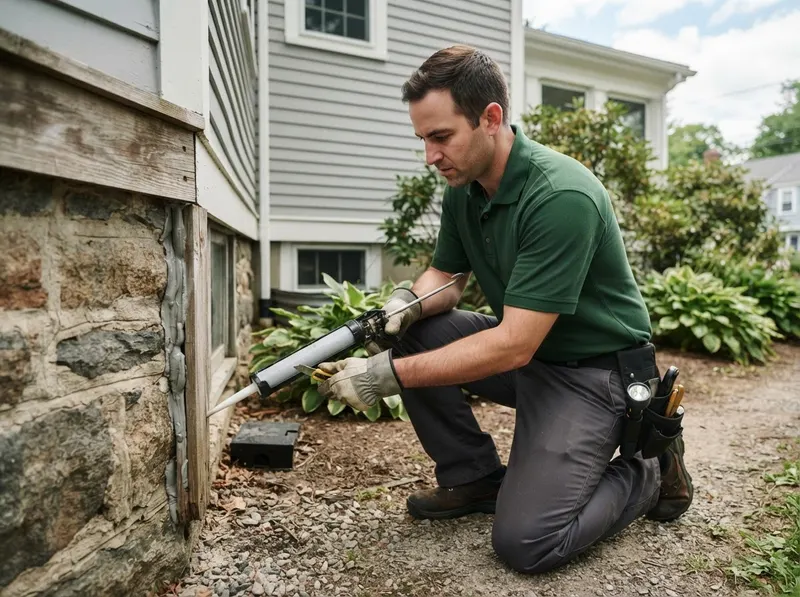
Rodent infestations in Worcester properties typically arise when ambient outdoor temperatures drop below 45 degrees Fahrenheit, driving rodents into interior spaces. In neighborhoods with vintage housing stock such as Grafton Hill, Main South, and Vernon Hill, multi-family triple-deckers frequently exhibit fieldstone foundations and balloon-frame construction. These features offer direct vertical chases from dirt basements straight to third-floor attics. Eradication without structural exclusion fails because untreated foundation penetrations around aged cast-iron plumbing and rotted sill plates allow new colonies to reinvade within weeks. Brelvix Exterminators implements an engineering-focused protocol that mechanically seals entry points before finishing the interior eradication, eliminating the need for recurring monthly maintenance contracts.
Technicians target gaps as narrow as 1/4 inch, which accommodate mice, and 1/2-inch gaps that permit Norway rats. High-grade materials including 16-gauge galvanized wire hardware cloth, elastomeric caulking, and metal flashing are secured over basement hopper windows, utility conduits, and garage threshold seams. For residences around Indian Lake, Tatnuck, and Salisbury Street, where slab transitions or historic fieldstone mortaring degrades, physical mortar repointing and metal flashing isolate interior utility rooms from adjacent soil banks. This mechanical isolation protects non-target animals, as interior rodent capture relies on tamper-resistant mechanical traps placed along active rub-mark runs, keeping treatment safe for households with indoor pets.
Properties near dense food districts such as Shrewsbury Street and commercial multi-unit zones in Green Island face high external pressure from Norway rat populations colonizing municipal refuse pathways. A complete structural program in these zones integrates heavy-duty exterior anchor stations containing commercial-grade rodenticides alongside deep interior monitoring. The protocol follows three numbered phases: 1. Complete perimeter envelope inspection identifying foundation breaches, sub-grade burrows, and exterior wall gnaw marks. 2. Structural sealing using rodent-proof architectural materials across all detected access points. 3. Placement of interior mechanical catch systems and exterior perimeter containment stations, checked across a 14-day cycle until census zero is confirmed.
The operational trade-off of professional exclusion is time and upfront investment compared to recurring chemical treatments. A standard chemical placement requires recurring quarterly visits without addressing building permeability. Mechanical structural sealing requires a higher initial service tier to inspect and cap foundation voids, but permanently blocks migration pathways, delivering lower lifetime ownership costs and ending interior wall noises, wiring damage, and surface contamination.
Every job gets a firm, written price after a free on-site visit.
Tell us about your rodent exclusion and eradication job in Worcester and we'll send a clear, written quote, usually the same day.
 Brelvix Exterminators